Om
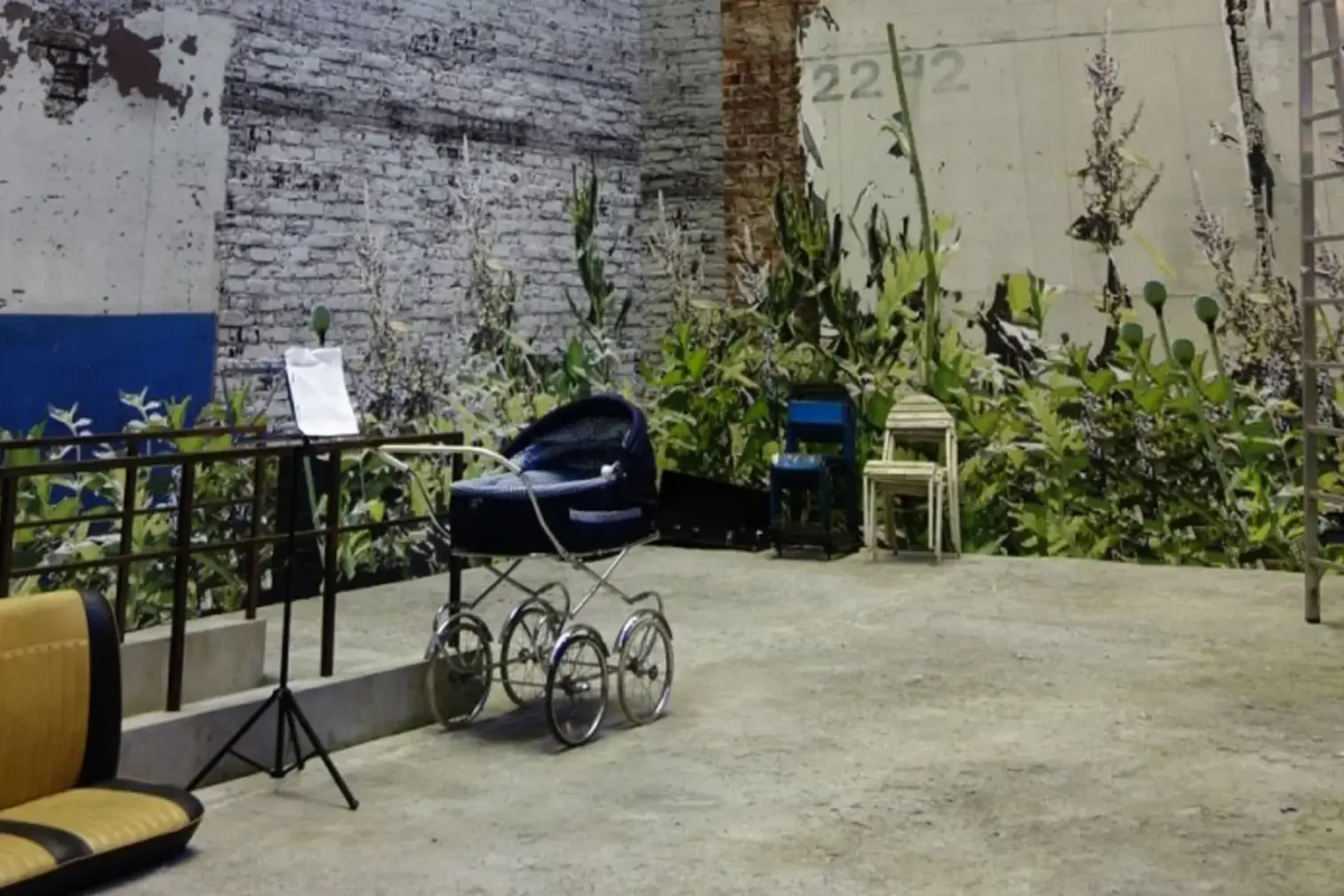
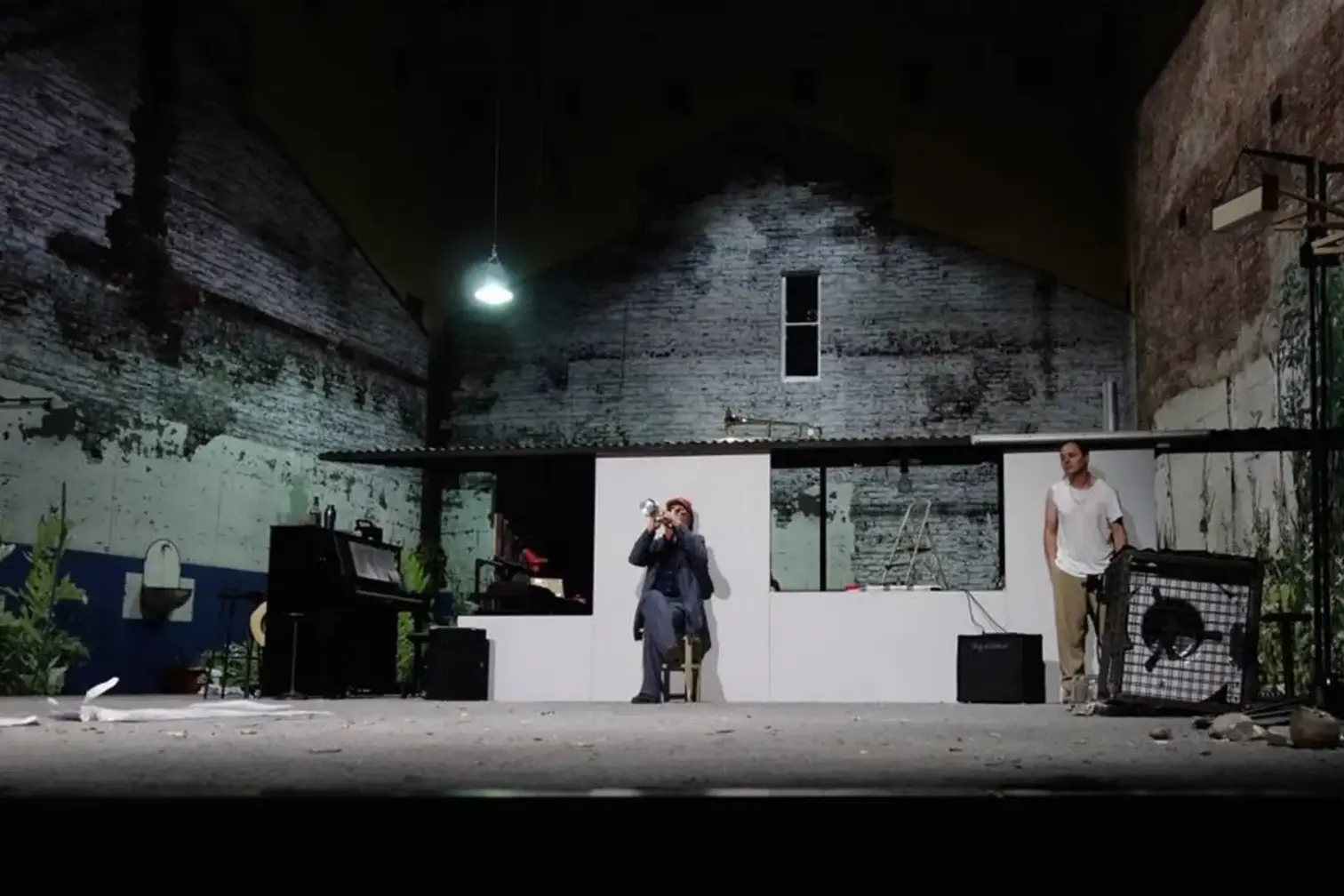
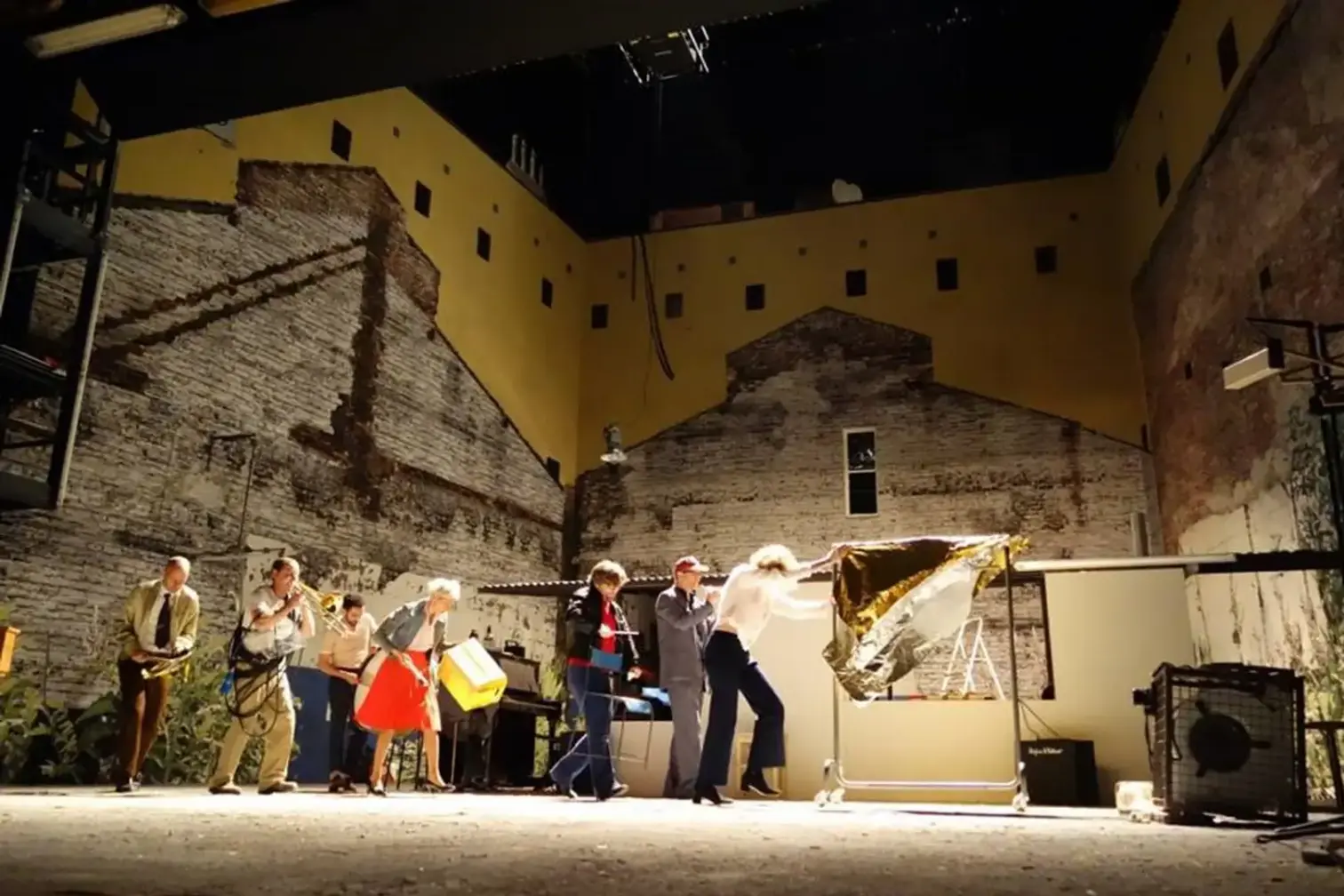
Dive into the creative process when building up the scenery for Jack Kerouac’s novel “On the Road”, ending up in a deserted courtyard surrounded by 10-meter-high walls creating the grasping, almost claustrophobic atmosphere.
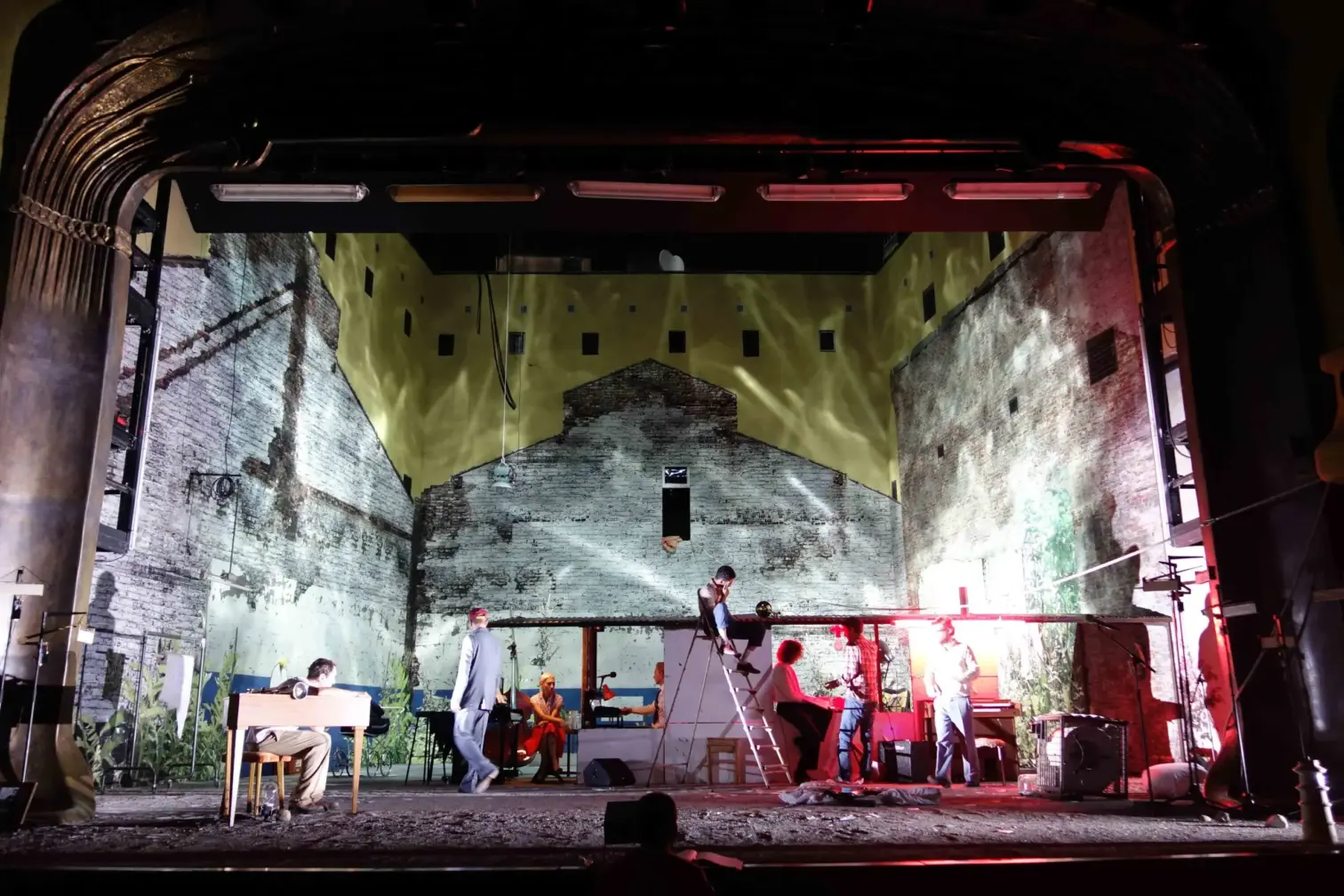
Dive into the creative process when building up the scenery for Jack Kerouac’s novel “On the Road”, ending up in a deserted courtyard surrounded by 10-meter-high walls creating the grasping, almost claustrophobic atmosphere.
Den realistiska printen omvandlar scenen från vision till verklighet. Under skapandeprocessen av den komplexa scenografin; sammansatt av flera olika bilder med en klaustrofobisk känsla, och uppbyggd med tio meter höga väggar som omfamnar hela scenen kom Amber Vandenhoeck, ljusdesigner och scenograf, baserad i Antwerpen, Belgien, för första gången i kontakt med printat bomullstyg.
In parts of the novel, it is described that the main character is running around in courtyards or at stations. This became the main inspiration when creating the set design. Amber, together with the director David Marton, was appealed to not making it into an open space, but to create a closed, almost claustrophobic stage design. But instead of real life traveling they wandered around on Google maps searching for courtyards and deserted backyards.
Since images from Google Maps can’t deliver the artwork quality needed when making it big, one extra dimension in the project was to create a photoshop collage of the location putting the pieces together. The result made it look a bit more bizarre, and created a whole new picture of the place, which Amber thought probably couldn’t have been achieved in one single photo.
When it was time to make the artwork into reality, Amber was recommended from the Münchner Kammerspiele technical office to get in contact with Big Image.
One challenge was to make the set design manageable and easy to be installed and then taken down when the walls are 10 by 10 meters. The solution was to install the fabric onto wooden frames.
“We put the cotton fabric over wooden frames, but the joints between the frames had to disappear completely which it did. It has to do with the quality of the cotton fabric, the quality of the prints, the quality of the finishing and the craftsmen putting it all together. In the end we were really, really happy with the result.”
To learn more about our work with set designers for theatre and opera, or how we can help take your idea from imagination to installation – please get in touch!
From bold ideas to finished reality, we make the extraordinary possible.